
Legal Methods II: International Problem Solving
Course Information
- Course Number
- L6130
- Curriculum Level
- Foundation
- Areas of Study
- International and Comparative Law, Lawyering
- Type
- Lecture
Section 006 Information
Instructor
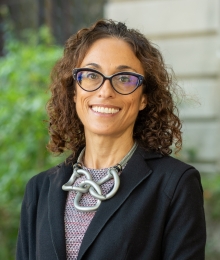 Monica Hakimi
William S. Beinecke Professor of Law
Monica Hakimi
William S. Beinecke Professor of Law
Section Description
Climate Justice?: International law is a kind of law that applies beyond the jurisdiction of any state. Governments, civil society groups, private entities, and other actors routinely use it to address problems that, in their view, cannot or should not be addressed by one state alone. This intensive course will introduce students to international law by focusing on how it has (and has not) been used to address questions relating to climate justice. Each class session will focus on a different facet of the problem to explore the legal issues that arise in their social and political contexts, as decision-makers confront them. The court has three main objects:
• To examine questions relating to climate justice from different perspectives and to understand how global actors have used international law to address them.
• To understand the basic architecture of the international legal process: the key participants and the terms on which they engage with the law, the arenas in which they apply it, the techniques they use to shape it, and the outcomes and distributional effects that they produce through it.
• To think strategically about the contexts in which the law operates and the opportunities for advancing one’s interests through it. This kind of lawyering requires one to assess not only the law as it is but also the various levers for shaping the law going forward.
The course will consist of a combination of classroom lectures, interactive exercises, and small-group work. Students will be expected to spend at least two hours each day reading and preparing for class, to attend and participate in all of the classroom sessions, and to work independently in their assigned small groups each afternoon. The course will be graded pass-fail, with credit awarded on the basis of the final writing projects, class participation, and attendance.
- School Year & Semester
- January 2026
- Log in above to view course meeting times and location.
- Points
- 1
- J.D Writing Credit?
- No
Course Limitations
- Instructor Pre-requisites
- None
- Instructor Co-Requisites
- None
- Requires Permission
- No
- Recommended Courses
- None
- Other Limitations
- None
Additional Section for Legal Methods II: International Problem Solving
School Year & Semester
January 2026
Instructor

Points
1
School Year & Semester
January 2026
Instructor

Points
1School Year & Semester
January 2026
Instructor

Points
1School Year & Semester
January 2026
Instructor

Points
1School Year & Semester
January 2026
Instructor

Points
1School Year & Semester
January 2026
Instructor

Points
1